
REVIEW · HAGIA SOPHIA & BLUE MOSQUE TOURS
Istanbul: Traditional Whirling Dervishes Near Hagia Sophia
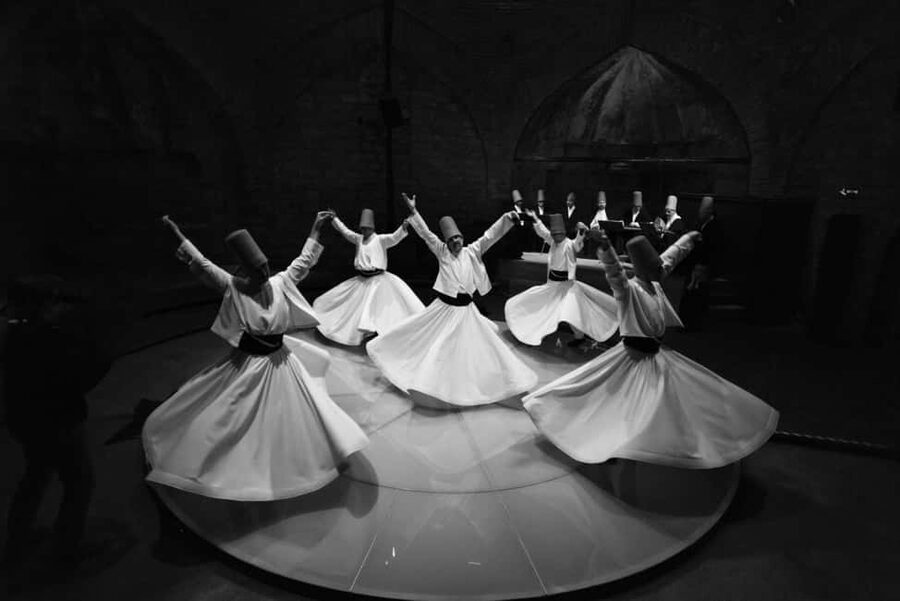
One hour can feel like a different pace. This Whirling Dervish Ceremony right near Hagia Sophia pairs the Mevlevi ritual with live Sufi music in a calm setting where you can actually focus.
I love the feeling of being close to the spirituality without the chaos, and the music makes the whole room go steady and quiet.
I also love the context you get before and after. The host talks through the Rumi-inspired Mevlevi ideas, so you are not just watching spinning robes, you understand the symbolism in hands, posture, and movement.
The only real drawback is that this is not a show you can treat casually. Silence matters, flash photography is out, and seating is unassigned and limited, so arrive with enough time to settle.
In This Review
- Key highlights you should know before you go
- Steps From Hagia Sophia, With a Real Sense of Ritual
- The 1-Hour Ceremony Flow You’ll Actually Notice
- Live Sufi Music: Ney, Kudüm, and Kanun in Action
- Understanding Mevlevi Meaning, Not Just the Spin
- The Venue Feel: Historic Details and Soft Light
- Seating Rules, Noise Rules, and the One Thing to Get Right
- What’s Included in Your $23 Ticket, and What You Don’t Get
- Who This Experience Suits Best (And Who Might Feel Awkward)
- Accessibility and Practical Comfort Before You Go
- After the Spinning: Tea, Sherbet, and a Moment to Land
- Should You Book This Whirling Dervish Ceremony Near Hagia Sophia?
- FAQ
- How long is the Whirling Dervish Ceremony near Hagia Sophia?
- How much does it cost?
- What’s included in the ticket?
- Which languages are available for the guide?
- What rules do I need to follow during the ceremony?
- Is the venue wheelchair accessible, and are restrooms available?
Key highlights you should know before you go
- A short walk from Hagia Sophia: You get a major Istanbul landmark nearby, without spending the whole evening in transit.
- Live Sufi music played during the ritual: You’ll hear traditional instruments like the ney, kudüm, and kanun.
- Meaning before and after the ceremony: The host adds context about the Mevlevi tradition and Rumi-inspired philosophy.
- Multilingual digital guidance: A digital assistant guide supports seven languages, including English, German, French, Italian, Russian, Spanish, and Arabic.
- A calm, respectful atmosphere: Soft lighting and a historic room setting encourage quiet attention.
- Turkish tea or sherbet to finish: A simple, welcome cooldown after an intense hour.
Steps From Hagia Sophia, With a Real Sense of Ritual
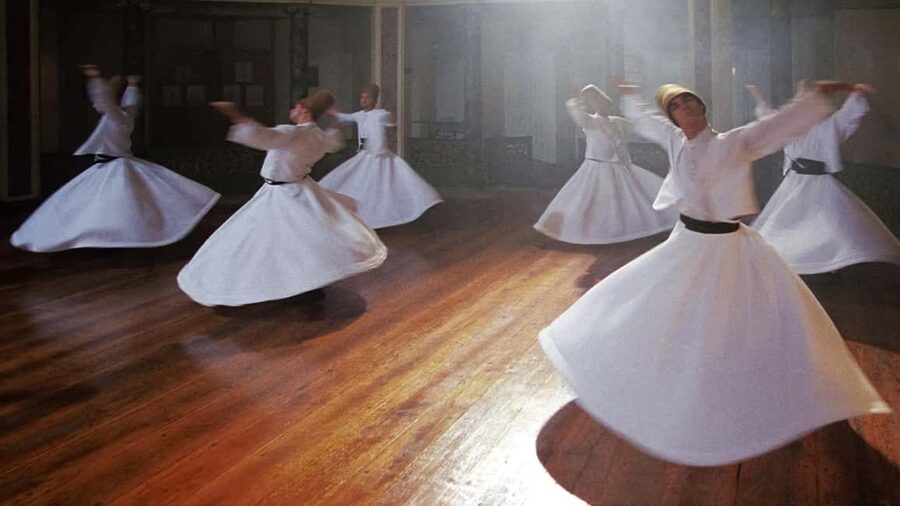
If you want an Istanbul spiritual experience that does not feel rushed, this one works. It’s a traditional Mevlevi ceremony held in a calm, intimate venue just a short walk from Hagia Sophia, so you can connect the site you already know with something living and practiced.
What I like most is that the tone is set early. You do not just wander in and hope for the best. You arrive, get brief guidance, and then the ritual takes over in a slow, focused way that makes it easier for your mind to switch gears.
More Turkish Night Shows in Istanbul
- Istanbul: Bosphorus Dinner Cruise & Turkish Night Show
★ 4.8 · 12,954 reviews - Istanbul: Hodjapasha Whirling Dervishes Show & Exhibition
★ 4.4 · 4,790 reviews - Istanbul: Bosphorus Dinner Cruise with Turkish Night Show
★ 4.6 · 1,950 reviews
The 1-Hour Ceremony Flow You’ll Actually Notice
The full experience is about 1 hour, and that matters because you get a complete arc without feeling trapped. The timing is short enough to fit into a busy Sultanahmet day, but long enough for the music and movement to land.
You’ll typically start with pre-ceremony commentary from the host. This is not trivia for trivia’s sake. It’s meant to help you decode what you are seeing, especially the spiritual meaning behind the Mevlevi Order and the influence of Rumi’s thought.
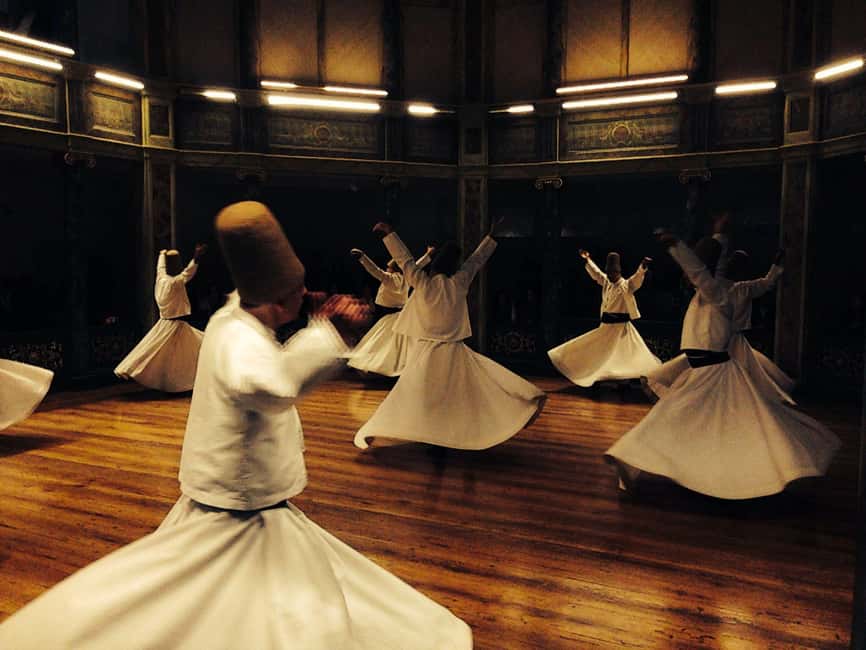
After that, the ceremony begins and the dervishes rotate in their white garments. The room goes quiet, and you’ll notice how the ritual rhythm is guided by the musicians. Then, once it finishes, there’s post-ceremony commentary again, which helps you process what you just witnessed instead of walking out confused.
Live Sufi Music: Ney, Kudüm, and Kanun in Action
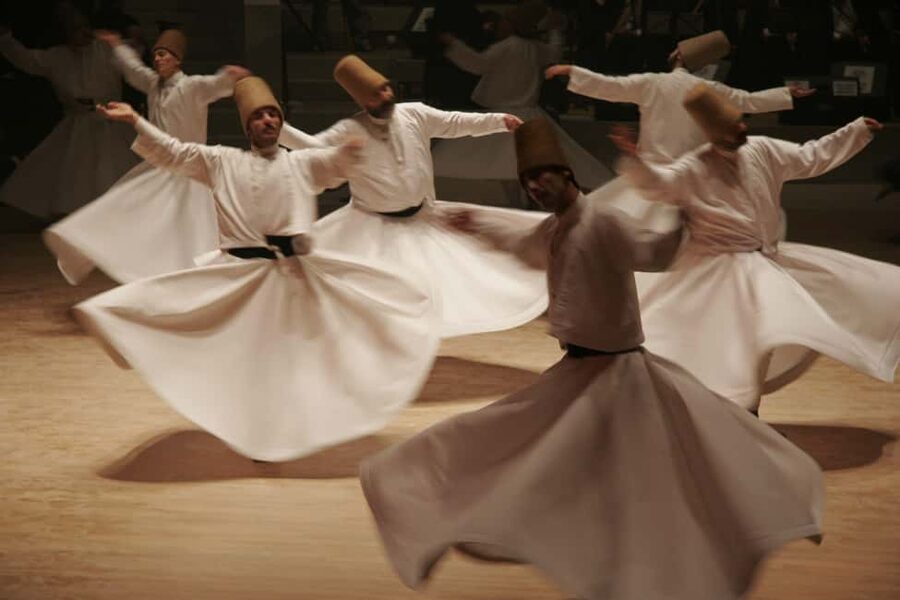
The live music is one of the strongest reasons to book this. The instruments are traditional, and the sound feels purposeful, not like background entertainment.
Here’s what you can listen for:
- Ney (reed flute): You’ll hear a breathy, haunting line that can feel almost human in tone.
- Kudüm (small drums): The drum pulse gives the movement structure, so the spinning feels synchronized rather than random.
- Kanun (zither): It adds a bright, melodic texture that floats above the rhythm.
In practical terms, this is why the ceremony stays grounded. The music does not just accompany the dervishes. It steers the atmosphere and helps you follow the rhythm, even if you do not know the tradition.
Understanding Mevlevi Meaning, Not Just the Spin
The host’s commentary is what turns this from a visual moment into a meaningful one. The ceremony is rooted in the Mevlevi Order, which traces ideas connected to Rumi, the poet and thinker often associated with spiritual love and unity.
You’ll learn that the movements and gestures are not random choreography. They’re symbolic steps in a spiritual journey, and the host explains what different elements represent. That context is huge for first-timers, because the spinning can look simple until you know what it’s trying to express.
Even if you’re not chasing religion, you’ll still get something out of the philosophy. For me, the most valuable part is how the ceremony reframes attention. Instead of looking for spectacle, you learn to watch intention, rhythm, and the way the ritual asks the audience to participate through respect and silence.
Same part of the country, a different kind of day:
- Istanbul: Bosphorus Dinner Cruise & Show with Private Table
★ 4.8 · 62,058 reviews - Istanbul: Daytime or Sunset Sightseeing Cruise & Audio Guide
★ 4.8 · 14,430 reviews - Best of Istanbul 1, 2 or 3-Day Private Guided Istanbul Tour
★ 5.0 · 8,922 reviews - Istanbul: Basilica Cistern Fast-Track Entry and Audio Guide
★ 4.6 · 7,521 reviews
The Venue Feel: Historic Details and Soft Light
The room itself matters here. The venue has historic wooden details and soft lighting, which changes how the whole thing feels. It’s easier to concentrate when you are not fighting bright glare or noisy decor.
The atmosphere is designed for connection between performers and audience. You’re not treated like an audience at a stage show, where reactions are expected. Instead, you’re placed in a shared space of calm, where the ritual is the main event.
There’s also a digital guidance layer that helps you keep up. With the multilingual digital assistant available in seven languages, you can follow along with the meanings and the structure. This is especially helpful if you do not read Turkish or you just want extra clarity without interrupting the mood.
Seating Rules, Noise Rules, and the One Thing to Get Right
This is where you should plan carefully. The ceremony is a spiritual ritual, not theatrical entertainment. Respectful silence is expected, and you’ll be asked not to break that focus.
Two clear rules:
- No flash photography
- No making noise
Also, seating is unassigned and limited. That means your “good view” depends on when you arrive. If you show up late, you might end up with a less comfortable angle, even if you still get to see the core ritual.
One more practical point that often surprises people: there are restroom facilities available before and after, but not during the ceremony. So if you need a stop, do it early.
My advice is simple. Treat the hour like a quiet visit to a sacred place, not a quick photo stop. If you can do that, the experience clicks fast.
What’s Included in Your $23 Ticket, and What You Don’t Get
At $23 per person, this is fairly good value for Istanbul. You’re paying for more than admission. You’re getting:
- Admission to the Whirling Dervish Ceremony
- Live performance with traditional Sufi music
- Pre- and post-ceremony commentary by the host
- Digital multilingual guide
You also skip the ticket line, which is a real time-saver in a city where lines can eat your evening.
What’s not included is also worth noting. You won’t get a full meal, and additional drinks are not part of the package. The good news is you do get a complimentary glass of Turkish tea or sherbet after the ceremony, which is a nice close to the experience.
Who This Experience Suits Best (And Who Might Feel Awkward)
This works best for adults and culture enthusiasts who want something authentic and respectful. If you enjoy live music, ritual traditions, or philosophy connected to Rumi and the Mevlevi Order, you’ll likely love the way all the pieces connect.
It’s also a decent choice if you want an evening plan that stays compact. Because it lasts about an hour, you can pair it with other nearby sightseeing without turning your day into a marathon.
On the other hand, it may feel awkward if you’re looking for a lively performance vibe. This is not designed for chatter, phone scrolling, or casual interruptions. If you want to talk through most of it, you’ll miss the point and it will likely feel uncomfortable.
Children under 2 years are not suitable, and the atmosphere calls for patience and quiet.
Accessibility and Practical Comfort Before You Go
The venue is wheelchair accessible, which is a strong plus if you need step-free entry and mobility support. If you’re traveling with limited mobility, you can plan with confidence that the ceremony space is built to accommodate you.
One more practical detail to keep in mind: seating is limited and unassigned. That means arriving early helps everyone, including people using wheelchairs, because it can give you more options for positioning.
You can’t rely on breaks during the hour, since restrooms are available before and after, not during. If you manage expectations around that, you’ll have a smoother time.
After the Spinning: Tea, Sherbet, and a Moment to Land
Once the ceremony ends, you’re not just sent out. You get complimentary Turkish tea or sherbet, which feels like a small but thoughtful finish.
This part matters more than it seems. After an hour of focused attention and intense rhythm, a warm drink helps you settle back into regular conversation and regular time. You’ll probably feel a little quieter than when you entered, and that’s normal.
Should You Book This Whirling Dervish Ceremony Near Hagia Sophia?
I think you should book it if you want a respectful, meaning-focused introduction to Istanbul’s Whirling Dervish tradition. The biggest strengths for me are the live Sufi music with instruments like the ney, kudüm, and kanun, plus the host commentary that explains Mevlevi symbolism and Rumi-inspired philosophy.
I’d skip it if you want a loud, photo-first, entertainment-style experience. The rules around silence and no flash are real, and the room is designed for contemplation.
If you are visiting Hagia Sophia anyway, this is a smart pairing because it adds a living cultural layer nearby. For an hour, you get a compact, authentic moment that feels worth more than the ticket price.
FAQ
How long is the Whirling Dervish Ceremony near Hagia Sophia?
The ceremony experience lasts 1 hour.
How much does it cost?
It costs $23 per person.
What’s included in the ticket?
Your ticket includes admission to the ceremony, live Sufi music performance, pre- and post-ceremony commentary by a host, and a digital multilingual guide. Skip the ticket line is also included.
Which languages are available for the guide?
The digital multilingual guide is available in seven languages, including English, German, French, Italian, Russian, Spanish, and Arabic. An optional audio guide is also listed for those same languages.
What rules do I need to follow during the ceremony?
Flash photography is not allowed, and you should not make noise. This is a spiritual ritual, so respectful silence is expected.
Is the venue wheelchair accessible, and are restrooms available?
The venue is wheelchair accessible. Restroom facilities are available before and after the ceremony, but not during the ceremony.
More Old-City Monument Tours in Istanbul
- Istanbul: Hagia Sophia Skip-the-Line Ticket & Museum Option
★ 3.7 · 4,958 reviews - Istanbul: Blue Mosque & Hagia Sophia Guided Tour w/ Tickets
★ 4.8 · 3,600 reviews - Basilica Cistern & Hagia Sophia with Optional Topkapi Palace
★ 4.6 · 3,547 reviews - Istanbul: Hagia Sophia Entry Ticket with Audio Guide
★ 4.3 · 2,854 reviews
Newest Istanbul reviews on the site
- Tour of Byzantine and Constantinople, in istanbul★ 4.5 · 13 reviews
- Tour to Camlica Hill, Camlica Mosque & Camlica Tower★ 4.7 · 9 reviews
- Istanbul Highlights Small-Group Walking Guided Tour★ 4.4 · 179 reviews
- Topkapi Palace&Harem-Guided Tour-Skip lines- All tickets inc★ 4.8 · 66 reviews
- Istanbul: Topkapi Palace Skip-the-Line Ticket & Guided Tour★ 4.2 · 178 reviews
- Topkapi Palace + Basilica Cistern Tickets & Audio Guide★ 4.5 · 30 reviews
- Topkapi Palace Express Tour with Harem Tickets★ 3.8 · 11 reviews
- Sunset Bosphorus Yacht Tour Wiht snacks and live guide.★ 4.9 · 18 reviews
Hagia Sophia & Blue Mosque Tours, compared.
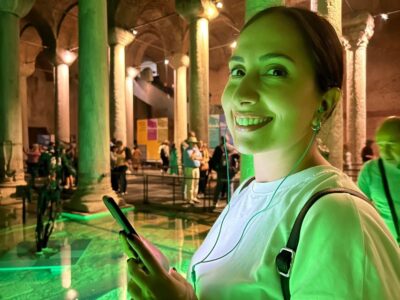
Basilica Cistern Fast-Track Entry and Audio Guide
Read our review →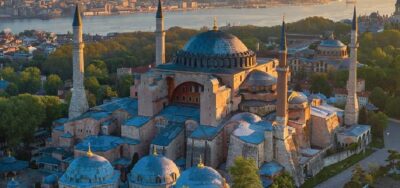
Hagia Sophia Skip-the-Line Ticket & Museum Option
Read our review →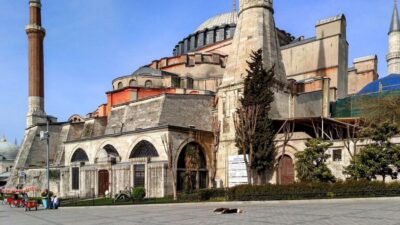
Blue Mosque & Hagia Sophia Guided Tour w/ Tickets
Read our review →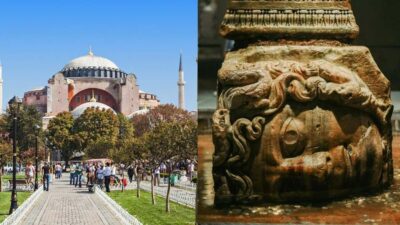
Basilica Cistern & Hagia Sophia with Optional Topkapi Palace
Read our review →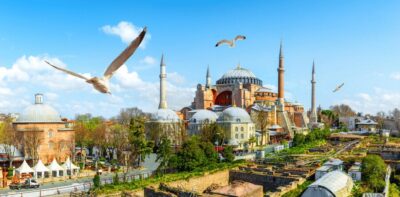

Blue Mosque, Hagia Sophia, & Old Town Walking Tour
Read our review →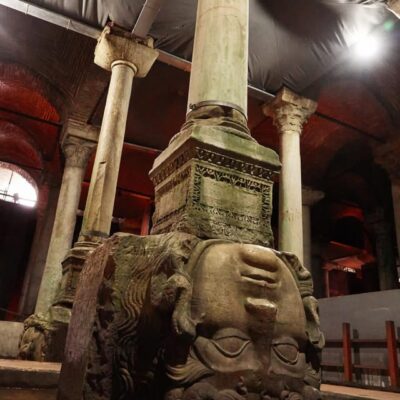
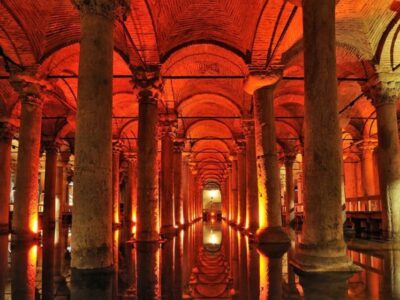
Basilica, Hagia Sophia, Blue Mosque Tour & Cruise
Read our review →Browse the lists this tour appears in